



Coffee Journal
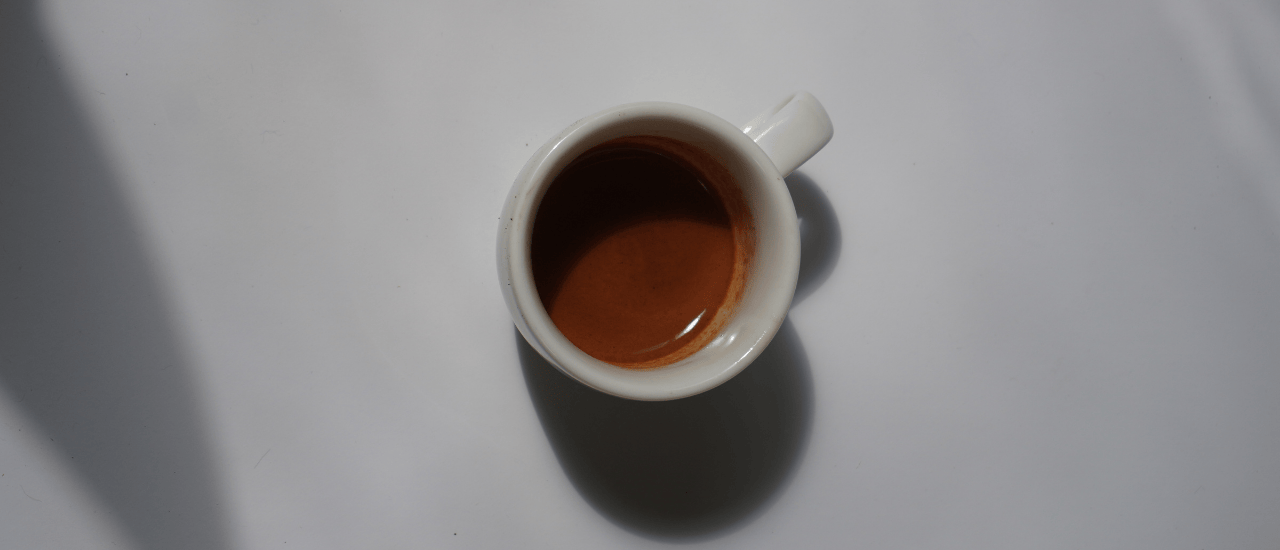
espresso vs. filter: what’s the difference and why does it matter?
If you’re just getting into coffee, you’ve probably heard people talk about filter and espresso. But what exactly sets them apart? And more importantly, which one is right for you? what is espresso? Espresso is coffee that is brewed under high pressure. In fact, the word espresso comes from the Italian esprimere, which means “to press out”. And that’s exactly what’s happening. Hot water is being pressed out, or forced through, very finely ground coffee at around 9 bars of pressure. This results in a small, concentrated shot of coffee usually delivered in around 25–30 seconds. Espresso itself can be brewed on a variety of different machines. It's the one you'll see in your local coffee shop, but there are also a variety of espresso machines which are made for home use. Espresso is intense, rich, and forms the base for drinks like flat whites, cappuccinos, and Americanos. ideal for: quick, concentrated coffee and milk based drinks one of the many types of home espresso machine what is filter coffee? Filter, also known as pour-over, gets its name from the filter that the coffee passes through. While espresso uses pressure, filter methods usually involve gravity doing the work. Water slowly filters through medium-ground coffee and a paper or metal filter. Brewing takes longer than espresso (typically 2–4 minutes), but the result is a cleaner, more nuanced, and often more aromatic cup. Think V60, Chemex, or AeroPress. These all fall under the filter umbrella. ideal for: considered, meditative coffee prep an example home filter setup what about moka? Moka pots fall somewhere in between. Sometimes referred to as stovetop espresso makers, Moka pots brew coffee by forcing steam-pressured water up through coffee grounds. However, because the pressure is lower than espresso, the resulting coffee is not as strong or concentrated as a true espresso. That said, it is stronger and more concentrated than filter. Moka is a great in-between option. Perfect if you want something bold with minimal set up. ideal for: espresso-like coffee with minimal equipment coffee pressing up and out through a moka pot what about aeropress? The AeroPress is a portable brewer that uses gentle pressure to create a cup that also sits somewhere between filter and espresso. While it uses a filter (paper or metal), it can make espresso-style coffee. It's smooth, versatile, and travel-friendly. One great advantage of an AeroPress is that can be used to brew coffee that has been roasted for espresso or filter. ideal for: versatile, on-the-go brewing aeropress why does all of this matter? Knowing the difference between coffee types helps you choose the right coffee and equipment for your preferred taste, timing, and lifestyle. If you want a quick, intense cup with crema and punch, then espresso is for you. If you prefer a cleaner coffee and you have the time to make it, make filter your go-to. If you fall somewhere in between, it's worth exploring both moka pot and Aeropress. summary Choosing the right method for you isn’t just about taste, it’s also about the kind of ritual or routine you want to create for yourself. Over time, you might even find that you need a mix of both—espresso during the week and more meditative filter at the weekend. If and when you perfect your routine, you can always save with a subscription at Bell Lane. We offer subscriptions for both espresso and filter drinkers, delivered to your door every month. Stay up to date on all things coffee by signing up to our newsletter.
Discover more
4 easy iced coffee recipes to cool down with
When the heat is on, nothing beats an iced coffee. These four summer-ready recipes are easy to make (and delicious to drink). There's something for you whether you prefer espresso, filter, and even if you don't have the equipment for either. 1. iced americano A classic. what you’ll need: ice, cold water, and 1 shot of espresso how to make: fill your glass with ice add cold water (until about two-thirds full) pour a fresh shot of espresso over the top That’s it! We use Ubuntu (espresso) as our base in the roastery. It's light flavour profile pairs perfectly with ice. 2. iced latte Incredibly refreshing. what you’ll need: ice, cold milk (any kind you like), and 1 shot of espresso how to make: fill your glass with ice add milk (until about two-thirds full) pour a fresh shot of espresso over the top rest for at least 30 seconds before drinking Allowing time between preparation and drinking gives the crema a chance to settle and allows the flavours to meld for a rich, layered finish. We love House (espresso) for our iced lattes because it's roasted to pair well with milk. 3. iced filter brew Full of flavour. what you’ll need: ice and freshly brewed coffee how to make: brew your filter coffee in advance (V60, Chemex, batch brew, or however you like) let it cool to room temperature (or cooler) fill a glass with ice pour your filter coffee on top Simple, clean, and a great way to explore origin characteristics in warm weather. We like Javier Rubio (filter), but any filter coffee will work depending on your preferences. 4. cold brew Make ahead of time.what you’ll need: ice, cold water, and coarsely ground coffee how to make: steep 60g of coffee per litre of cold water in the fridge for 16–18 hours strain pour over ice dilute with water (optional) We use Bold (espresso) for cold brew as the chocolatey notes form the ideal base for this drink. Why not try one at home or in the office when the weather is nice? Grab your coffee here and tag us in your iced creations. We'd love to see what you're brewing.
Discover more
how our hessian sacks are helping bees
This May, we’re celebrating “Maybee” for the fourth year running—a small but important way Bell Lane Coffee is giving back to nature. As part of the initiative, we'll be including native Irish wildflower seed packets with every order throughout the month, helping to support pollinators in your area. bees, some carrying pollen sacks, at the hive entrance certified b corp As a B Corp, we're always looking for ways to reduce, reuse, and repurpose. One of our ongoing sustainability initiatives is finding new homes for our used hessian sacks that carry our green coffee. As a roastery, we go through a lot of sacks every week, month, and year, and our goal is to repurpose every one we can. One way we do this is by partnering with beekeepers like Paula Halpin, who keeps bees in Kilternan, County Dublin. This means they’re put to use in a way that’s both practical and planet-friendly. bees tending to their honey and honeycomb why hessian sacks? It turns out hessian is the perfect material for beekeeping. When beekeepers need to safely access their hives, they use smoke to gently calm the bees. Hessian burns slowly and evenly, producing cool, white smoke that relaxes the bees without harming them, making hive inspections safer for both the bees and the beekeeper. how is hessian used? To make use of the hessian in the smoker, the sacks are first cut into long, even strips. Each strip is then rolled up and tied to keep its shape. Finally, the strips are added to the smoker when needed for working in and around the hive. why do bees matter? Bees do so much more than make honey. They’re among the most important pollinators on the planet, helping to fertilise plants by carrying pollen from flower to flower. This natural process is vital for growing the food we eat—from fruits and vegetables to nuts and seeds—and keeping ecosystems healthy and thriving. In fact, it’s estimated that one out of every three bites of food we eat exists because of pollinators like bees. Protecting and supporting bees doesn’t just benefit the environment—it supports biodiversity, food security, and local farming communities too. beekeeper paula halpin tends to one of her hives coffee and bees While we don't grow coffee trees here in Ireland, we're deeply connected to the places that do. Coffee plants depend on pollinators for healthy yields. This includes the self-pollinating Arabica trees which benefit from bee activity, which can improve yields and flavour. small actions, bigger impact For us, Maybee is a reminder that even small actions like rehoming hessian sacks can contribute to something much larger. One of our goals at Bell Lane is to share with purpose, and this partnership with Paula is a great example of that. By finding creative, thoughtful ways to reduce waste and support local initiatives, we’re aiming to create a better future, one step at a time. If you’re a beekeeper looking for hessian sacks for your hive, we’d love to hear from you. Please reach out to james@belllane.ie
Discover more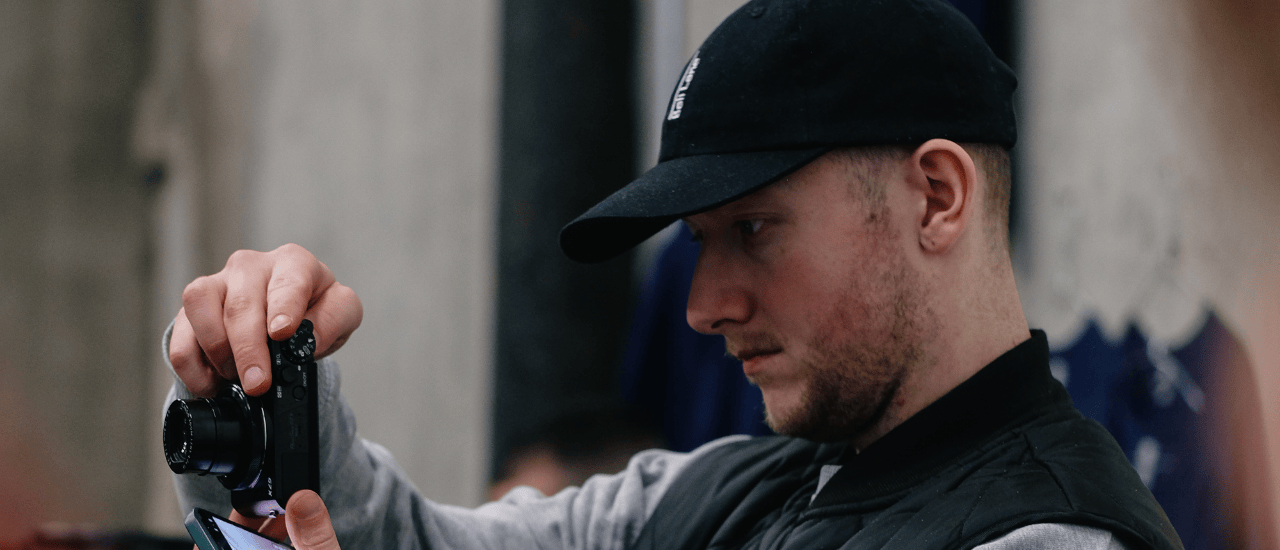
meet the artist behind our labels
Meet Paul Flaherty—artist, in-house creative, and all-round coffee head. Paul is the creative force behind our new labels, blending a deep understanding of coffee with a distinctive visual approach rooted in colour, form, and feel. from roastery to creative studio Paul began his journey at Bell Lane with Niko Sunko in the roastery—packing, roasting, labelling, and doing just about everything in between. This end-to-end view of the production process gave him unique insight into our coffees, operations, and team. From there, he moved into the creative team, continuing to work closely with the roastery and warehouse. He’s stayed rooted in the day-to-day of coffee—from equipment and brewing to social media, festivals, and new releases. A trained barista with a strong palate, Paul brings coffee knowledge that goes way beyond the design studio. paul flaherty and niko sunko at dcf 2025 the idea: coffee in colour While cupping with Niko, Paul seized on the moment when Niko said, “this coffee tastes…purple,” immediately sparking the idea that would become our new label system. Paul ran with the concept, diving deep into research around crossmodal correspondence and sensory colour theory. His goal was to capture the emotional experience of a coffee—visually—before you even open the bag. bell lane's new labels, designed by paul flaherty crafting the new labels Each label is individually designed to reflect the flavour, mouthfeel, and brightness of the coffee inside. Paul worked closely with Niko to translate final cupping notes into design language—using colour palettes, line work, and light indicators to express the essence of each cup. You can learn more about that here. The result is a set of labels that are intuitive, striking, and as layered as the coffees themselves. The project took six months to complete and involved nearly every part of the business. It’s a system the whole Bell Lane team is proud of—one that reflects the journey of each coffee and the care that goes into every roast. our new labels on display for the first time at dcf 2025 designing for impact As a Certified B Corp, Bell Lane places a strong emphasis on coffees that make a meaningful difference. Paul’s labels also highlight some of the coffees that make an extra special impact at origin, incorporating the iconography unique to each producer or collective. From the great kiskadee of Union San Pedro, to the La Morena woman with a coffee bean, to the bull of Enrique López—these icons mark coffees that go above and beyond in sustainability, equity, and community development. paul's tóg go bog é concept at dcf beyond the labels Paul’s influence stretches across the Bell Lane brand. He’s the hand behind many of our brand illustrations, icons, and event visuals. At Dublin Coffee Festival, Paul created our much-loved “tóg go bog é” merch range, turning a simple Irish phrase into a welcoming invitation. His illustrations featured on our sweaters, t-shirts, socks—and if you looked closely, you may have even spotted his cockapoo, Red, in the artwork. If you’re subscribed to our newsletter, you’ll know his doodle well—it’s at the bottom of every email we send. If you're not subscribed already, be sure to sign up here. paul flaherty, artist & in-house creative art & coffee, side by side Paul’s own artistic practice explores the emotional tension between digital and physical space. He’s recently moved out of Abbey Road Artist Studios in Athlone, and shares his creative process and artwork on Instagram via @paul_flaherty and @paulflahertyartist. At Bell Lane, we believe great coffee deserves great storytelling—and Paul’s work helps us bring that story to life in full colour. We're excited to see his next steps both in-house and out in the art world. If you're looking to connect with a roastery that values the connection between art and coffee, request a callback here to see how we can grow together.
Discover more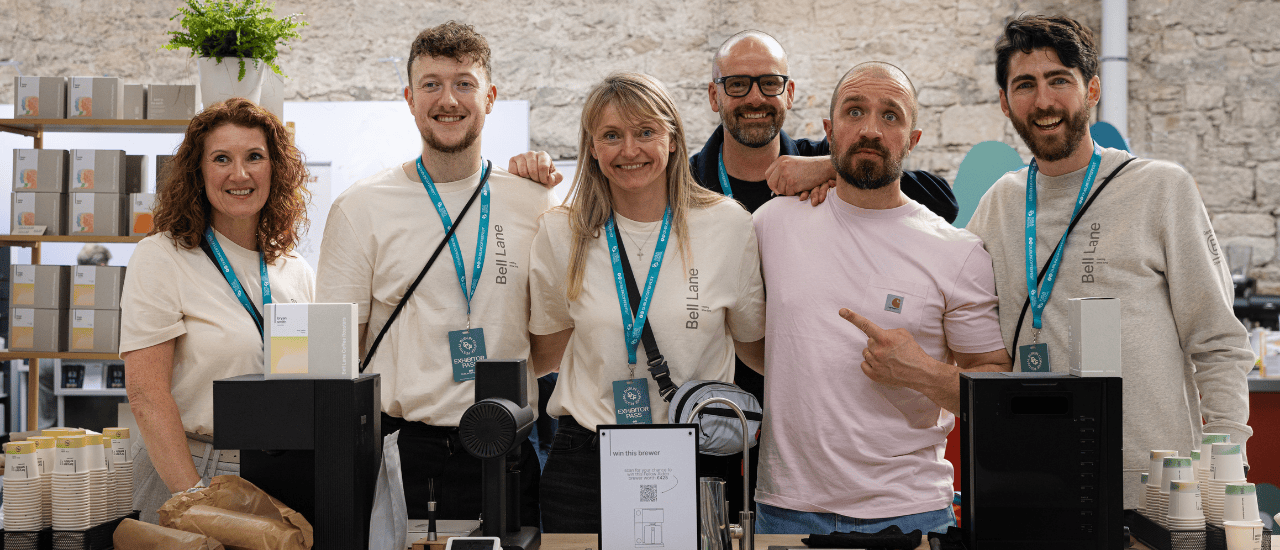
taking it easy at dublin coffee festival 2025
As lead coffee roaster sponsor at Dublin Coffee Festival, we knew we had an important role to fill—and plenty of prep to do. the venue Held in the historic RDS in Dublin across the weekend of April 12-13, the venue brought a real sense of occasion to the weekend. The old hall, high ceiling, and grand architecture gave the event a real sense of place—mixing an Irish landmark with its vibrant, growing coffee scene. The atmosphere was electric from start to finish, and Husky Events with Oli, Tom, Dan and team did an incredible job putting the event on, getting people on board, and running the event so smoothly over the weekend. the bell lane stand at dcf 2025 the concept Tóg go bog é (take it easy), was a full concept created by our in-house creative, Paul Flaherty, and extended from our stand design to our limited edition merchandise range. The hoodies, t-shirts, and totes sold out fast with only the socks surviving the weekend (which you can still get here). The illustrations were a hit—with Paul's dog Red making a guest appearance. our limited edition merch at dcf 2025 the stand The concept extended to our stand, designed by the brilliant Natalie Keville. From day one, our goal was simple—create an open, welcoming space where people could slow down, take a moment, and enjoy a coffee. We brought that to life across every part of the stand. Built around connection and calm, the central bar gave us the perfect space to serve coffee and conversation in equal measure. The light box drew people in, while the furniture from Woo Design offered a place to relax and take the weight off. the central bar and light box the coffees We had two DCF exclusives on the bar all weekend—both served from our Fellow Aiden Brewers. Wilder Lazo's White Honey Sidra was a complex and floral Colombian coffee, and a huge hit across the weekend. Meanwhile, Bryan Smith's Washed Gesha brought bright, citrus flavours and a clean finish. On our retail shelf, we also had Paola Trujillo's Sidra, Union San Pedro, and a taster box featuring Wilder, Bryan, and Paola. We even gave away one of the Aiden Brewers in a weekend-long competition—huge congrats to Margaret McCarthy, our lucky winner. wilder lazo, one of our two dcf exclusives the other competition As well as our competition on the stand, this year three of our own team—Luke, Paul, and Paulius—stepped up to compete in the Taster’s Cup to showcase their sensory skills. In a seriously competitive field, we couldn't be prouder of their effort and dedication in the run up. Well done lads—and watch this space next year! the launch Dublin Coffee Festival also marked the official launch of our new coffee labels—a project that’s been months in the making. Designed to better communicate taste at a glance, each label uses colour, linework, and brightness to express the unique character of the coffee inside. From bold espresso blends to delicate single origins, the new system gives drinkers a more intuitive connection to flavour. It was amazing to see people respond so positively to the change—and you can read the full story behind the label redesign here. our new labels on display at dcf our partners We couldn’t have pulled this off without help from some amazing partners: Woo Design - for our stylish, welcoming furniture Labo Mono - for supplying our sustainable sling bags Irish Sock Society - for our bold, colourful socks Stanley/Stella - for our t-shirts, sweatshirts, and tote bags Reda May - for capturing it all on camera Andy Nolan - for filming it all in high-res the community More than anything, the weekend reminded us why we love what we do. We caught up with friends from across the industry and chatted to coffee lovers from every corner of the country. From incredible home setups to curious newcomers, we were blown away by the level of knowledge and enthusiasm. We're already planning for 2026, and we can't wait to do it all again—bigger, bolder, and just as easy going. Until then, tóg go bog é. If you're a wholesale partner looking to start a conversation with our team, request a callback here.
Discover more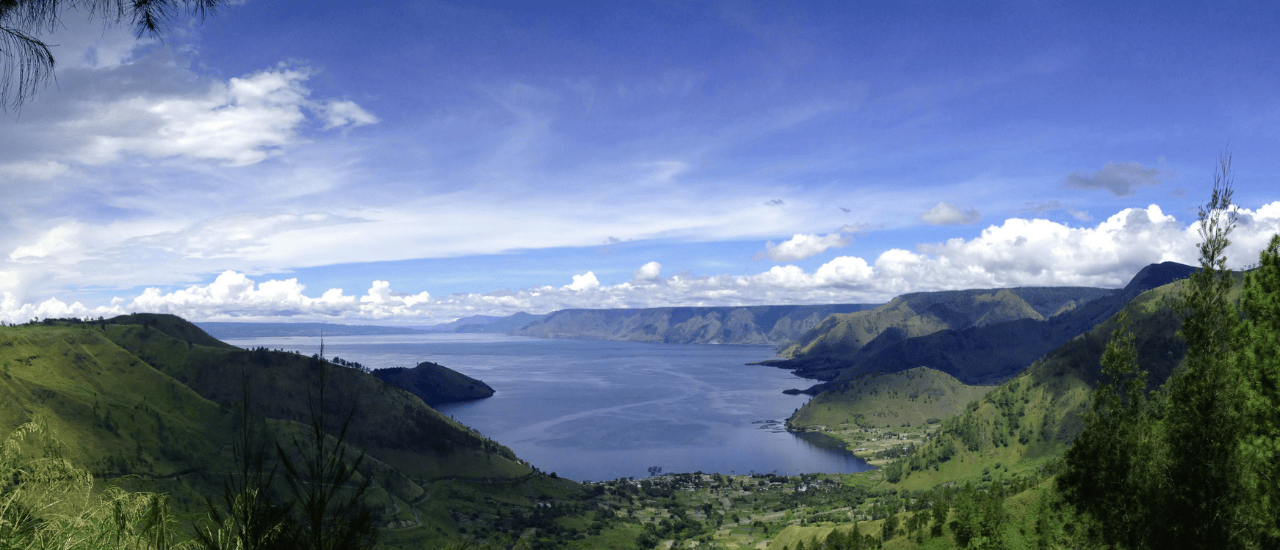
indonesia's blue batak and its 13th century roots
High above the southern edge of Lake Toba in North Sumatra—home to the largest volcanic crater lake in the world—you’ll find the ancestral lands of the Batak people, where coffee has been grown for centuries. Here, in a richly volcanic and staggeringly fertile region known as Lintong Nihuta, farmers have cultivated what is now known as Blue Batak: an Indonesian coffee with a story as compelling as its flavour. lake toba, north sumatra coffee with deep cultural roots The Batak people settled in this region as far back as the 13th century, and their traditions, connection to the land, and agricultural methods have shaped the identity of the coffee grown here. With a landscape marked by small valleys and ever-shifting microclimates, Lintong is a unique ecosystem for coffee farming. The soil is so incredibly fertile, thanks in part to a super volanic eruption over 70,000 years ago, that locals say, "you can plant a chair and it will become a table." Farms here are small, self-sufficient, and incredibly diverse. It’s not uncommon for local producers to grow over 10 different crops on the same piece of land. rich detail on a traditional batak building a distinct process: giling basah Blue Batak is processed using Giling Basah, also known as wet hulling—a method unique to Indonesia. It involves fermenting the cherries overnight in bags, sun-drying the parchment until it takes on a deep blue-green hue, and then hulling and drying further by hand over several days. The result? A cup with exceptional body, earthy complexity, and low acidity—distinctive hallmarks of this regional process. what it tastes like This coffee is all about depth. Expect camomile florals, forest-like herbal notes, and a layered cranberry fruitiness with a crisp, citric finish. It’s the kind of coffee that shifts and opens up as it cools—inviting multiple sips, slow mornings, and deeper appreciation. indonesian coffee cherries why we're excited We’re always on the lookout for coffees that carry a sense of place and incredible flavour—and Blue Batak delivers both. It’s complex, honest, and grown by people who have been perfecting their craft for generations. This is coffee rooted in story, soil, and soul. And we’re proud to add it to our lineup. If you’re a wholesaler looking to start a conversation with Bell Lane, request a callback here.
Discover more