
coffee in colour
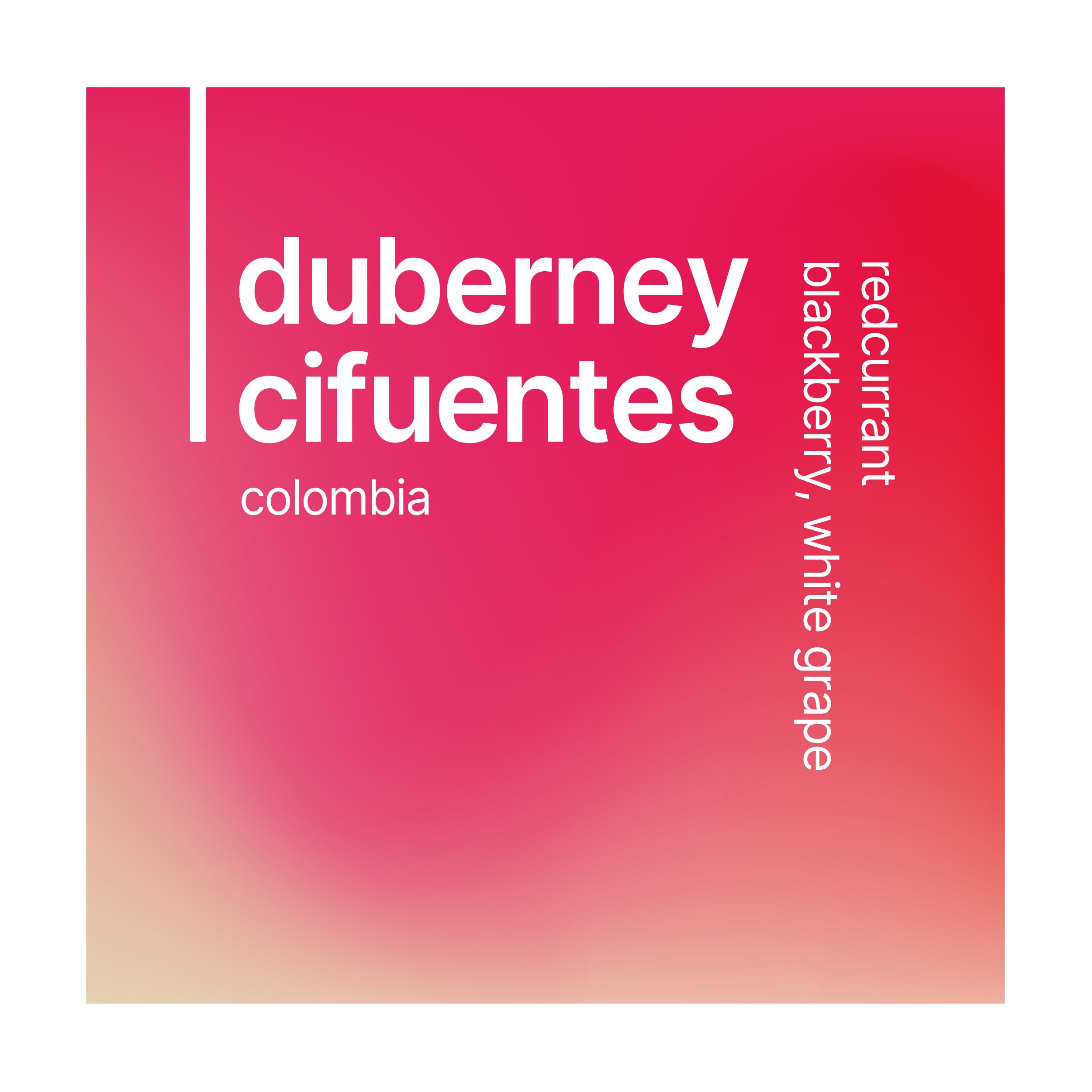
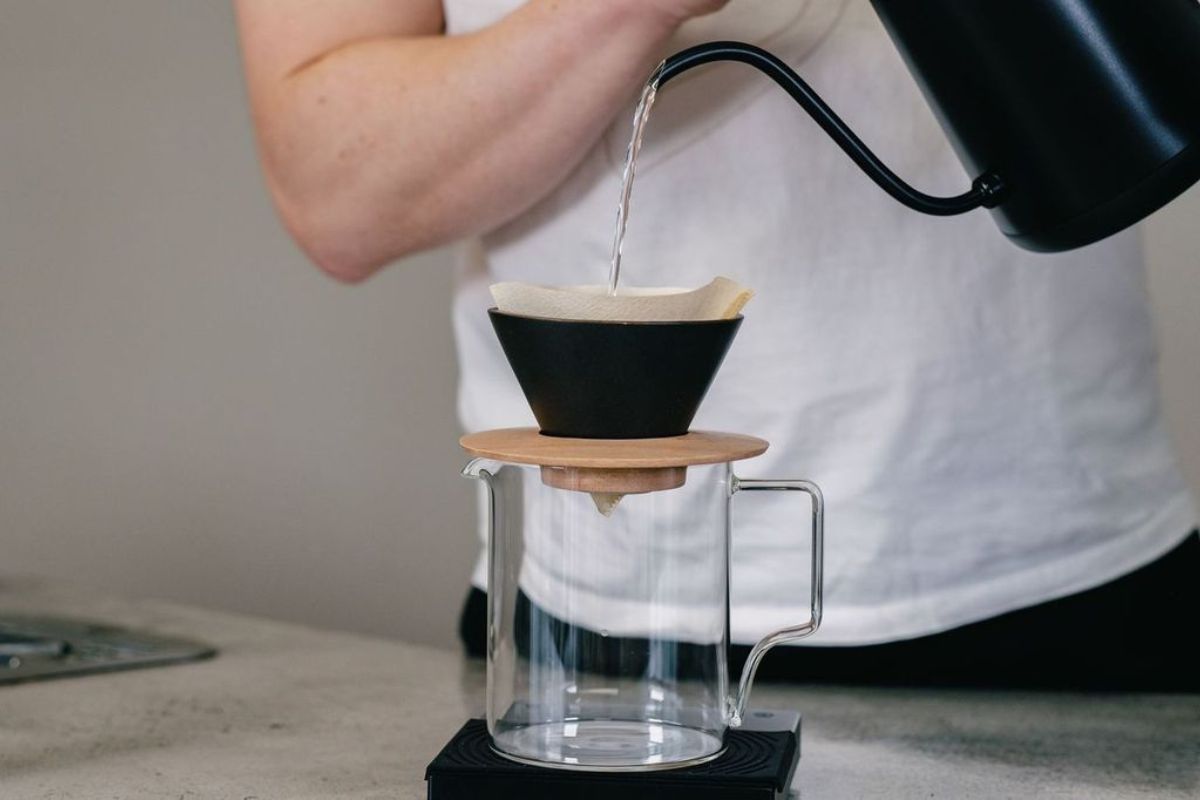
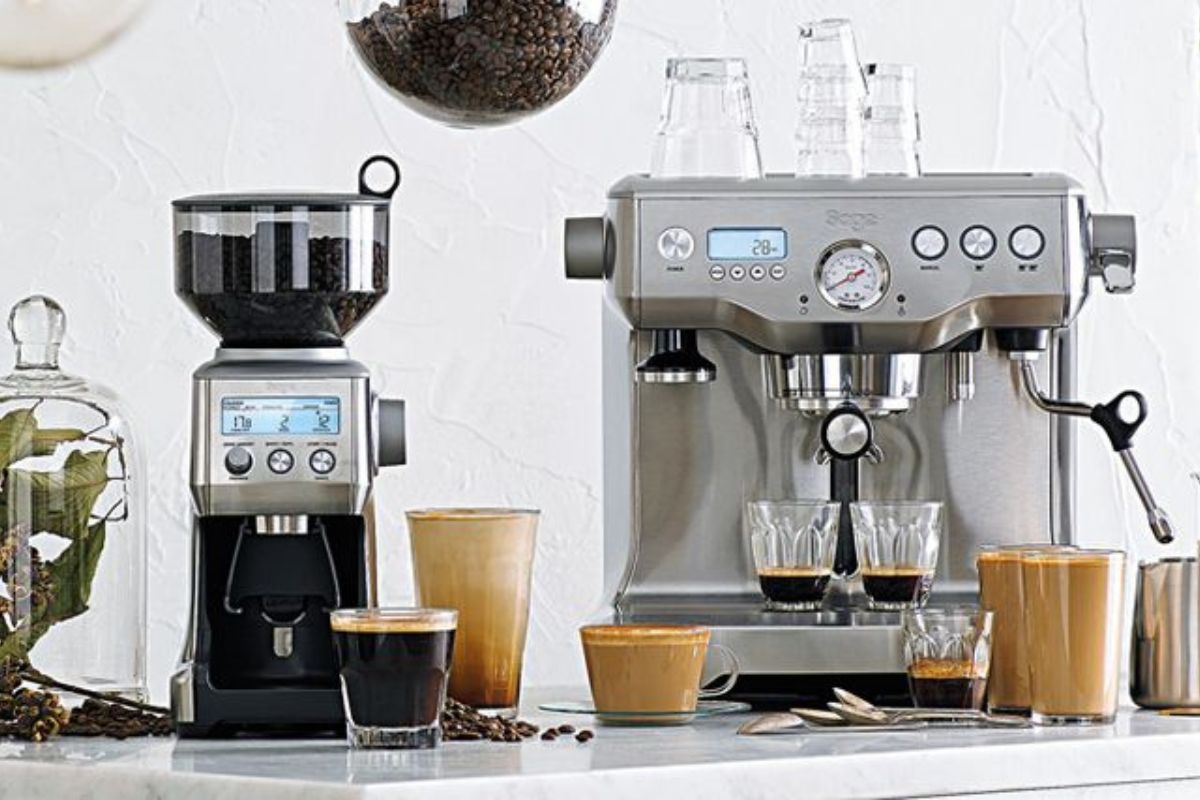
Our labels are designed to reflect the tasting experience at a glance. Each colour is drawn from the tasting notes, giving an immediate sense of flavour. Linework represents the structure of the cup—whether notes are distinct or integrated—while brightness reflects the brew method, from filter to espresso.
roasting since 2012

our story
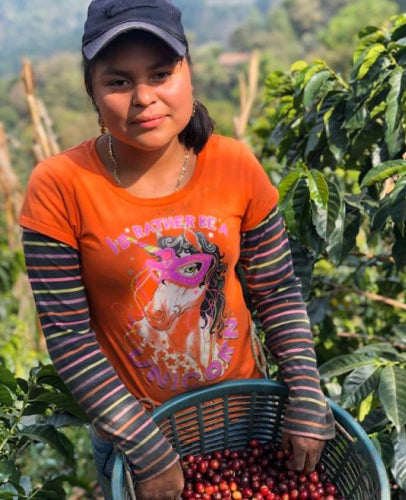
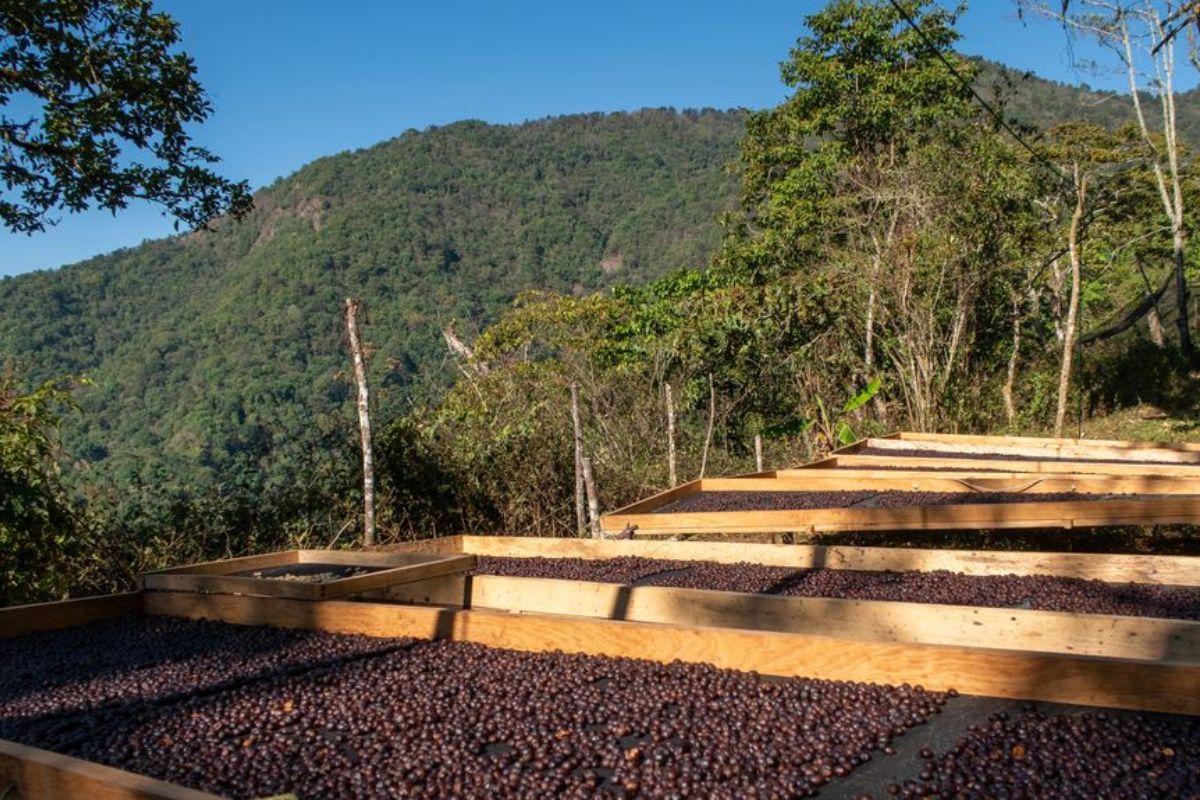
Since 2012, our coffee story has unfolded as a journey of constant learning and improvement. Building genuine relationships with coffee producers is at the heart of everything we do. We believe these connections matter because they mean better coffee for you and a positive impact on the communities we source from.
We partner with producers we know and trust, ensuring quality throughout every step of the roasting process. We meticulously roast beans to their full potential, honouring the hard work and dedication of skilled producers, resulting in a delicious cup that reflects the unique character of each origin.


community
Our partnerships are built on the principles of honesty, sustainability, and supporting coffee producers. This approach ensures both exceptional coffee quality and financial stability for the communities behind your cup.


responsibility
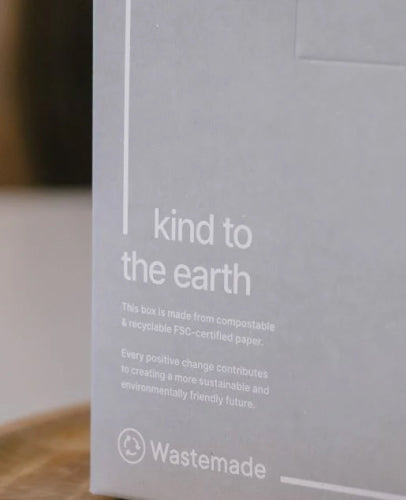
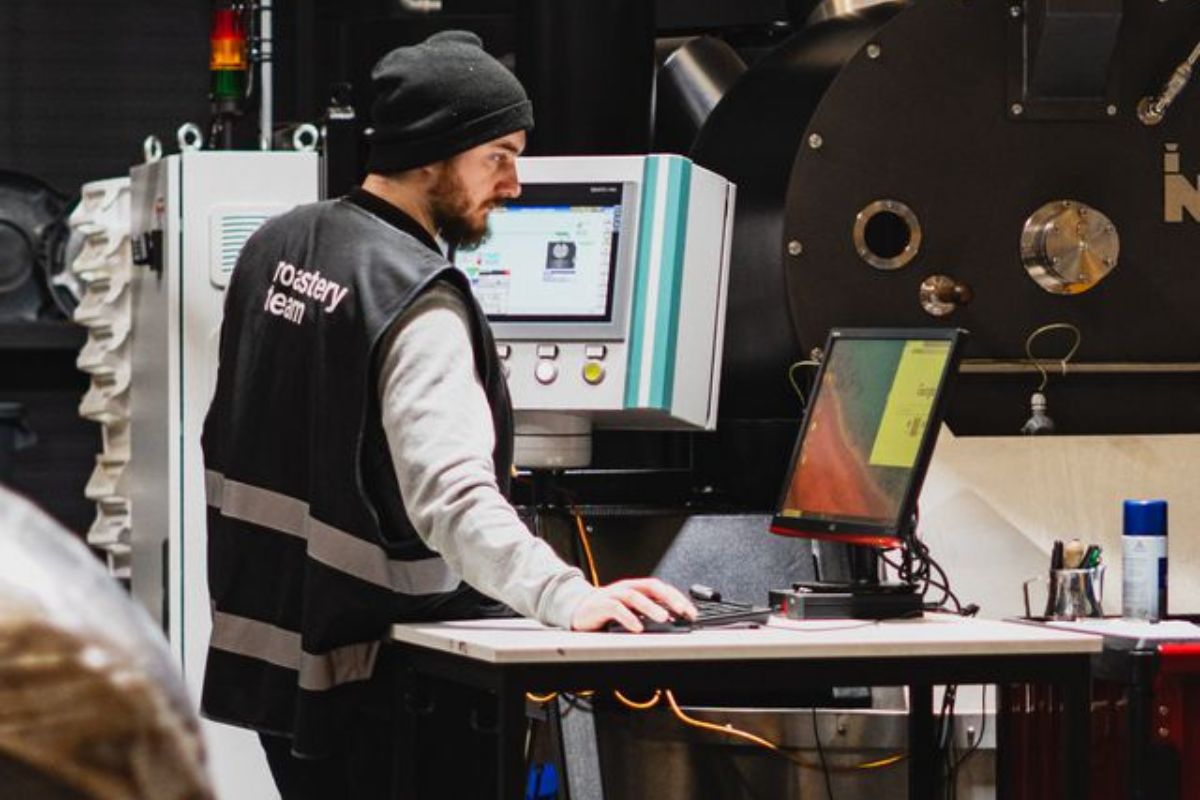
We are dedicated to minimising our environmental impact. This commitment starts with partnering with suppliers who share our values and implement sustainable practices throughout the entire coffee journey. This includes responsible sourcing, eco-friendly packaging, and utilising innovative roasting technology like our IMF roaster, which reduces emissions up to 98% compared to traditional drum roasters.


learn
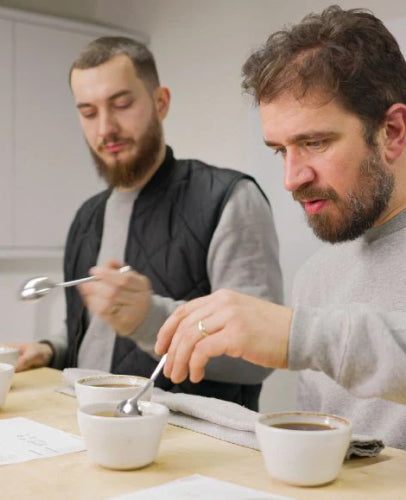
Coffee is more than just a drink. It's an exploration of flavours, origins, and brewing methods. We're here to guide you, helping you find your perfect cup. We offer comprehensive training to our wholesale partners, and regularly open the roastery for interactive fun brew classes.
from journal
A Simple Valentine’s Gift Guide ☕️
Whether Valentine’s Day is your thing or very much not your thing, we’ve put together a small list of thoughtful gifts we genuinely love.They’re simple, meaningful, and designed to be enjoyed slowly - with someone else, or just for yourself (which always counts). 1. Valentina Bright, fresh, and beautifully balanced, Valentina feels like the right fit as a Valentine’s coffee. From its vibrant flavour profile to the story behind the name, everything about this coffee leans into generosity and care. With notes of kiwi, tonic, and green apple, it’s the kind of coffee that works best as part of a shared ritual — brewed slowly, poured into two cups, and enjoyed without rushing. Whether it’s a quiet morning together or a moment carved out of a busy day, Valentina really shines when shared. 2. Ceramic Cup There’s something special about gifting a hand-thrown ceramic cup. It’s personal without being flashy, thoughtful without trying too hard. A good cup has a way of becoming someone’s cup — the one they reach for every morning. It elevates that everyday coffee moment and quietly says, I was thinking of you, long after Valentine’s Day has passed. 3. Coffee Subscription A coffee subscription is one of those gifts that keeps showing up, month after month.Instead of a single moment, it becomes a small, recurring reminder — a fresh bag of coffee arriving through the door, ready to be brewed and enjoyed. It’s perfect for anyone who loves their routine, appreciates good coffee, or simply enjoys having one less thing to think about. Easy, comforting, and always welcome. 4. Kinto Travel Mug For the person who’s always on the move, this one’s a favourite. The Kinto travel mug keeps coffee warm for up to 24 hours — or refreshingly cool for up to 48 hours in the summer. It’s practical, well-designed, and feels great to use. Ideal for early starts, long commutes, or anyone who likes to bring their coffee with them wherever the day goes. 5. Barista Training If the person you’re buying for loves coffee (or wants to make better coffee at home), barista training makes a brilliant, slightly unexpected gift. Whether it’s building confidence behind the machine, learning proper brewing techniques, or just spending a few hours doing something different together, it’s a fun and rewarding experience. A great option for couples, friends, or anyone looking to level up their coffee skills beyond the basics.At the end of the day, Valentine’s doesn’t have to be loud or overdone. Sometimes it’s just about taking a moment — making a good cup of coffee, sharing it with someone you care about, or enjoying it quietly on your own. However you choose to mark it, we hope it brings a little warmth to your day.
Discover more
planting the future: the 11 million trees project
At Bell Lane, we know that coffee can be a force for good, especially for the communities and ecosystems that produce it. That’s why we're proud to back the 11 Million Trees Project in Timor-Leste, led by our long-standing sourcing partner, Raw Material. This project is a long-term investment in coffee, people, land, climate, and the ecosystems that support coffee production. coffee at the core This is, first and foremost, a coffee-led project. After gaining independence in 2002, Timor-Leste became the most reliant on oil of all nations in the world with 95% of its income tied to oil exports. That stream of income is now diminishing. The country's second largest industry is coffee, but the current coffee infrastructure presents some challenges: coffee trees are 40 years old on average productivity is low (about 20% of the global average) yearly harvests provide an unpredictable yield Coffee is grown by 37.5% of Timor-Leste households. However, most of these people live below the poverty line. This project aims to change this by: planting a test forest to determine which varietals perform best in Timor-Leste's evolving climate develop a large scale nursery to supply seedlings to 10,000 local families lift incomes immediately and in the long-term seedlings growing in a nursery in timor-leste raw material & phase one Our coffee sourcing partners, Raw Material, have spent eight years on the ground in Timor-Leste already, testing processing methods, improving quality, and getting to know the opportunities and limitations of power, transport, training, marketing, and agronomy. They've already looked at renewable energy, plastic repurposing, and bamboo infrastructure in partnership with Engineers Without Borders. Together, they aim to form a practical and regenerative system that will lift yields, stabilise quality, and double the value of coffee exports.Most importantly, their efforts and our collective support will reduce poverty for coffee-growing households. As we launch phase two, we’re inviting you to join us and become part of this change. matt and ameta from raw material more than trees While being a coffee led project that aims to double coffee production in the region, the 11 Million Trees project also aims to: halve poverty rates build climate resilience that lasts for generations To achieve this, Raw Material is planting disease-resistant, high-yield varietals in a soon to be developed testing forest. This will help identify which plants are best suited to Timor-Leste’s evolving climate. From there, a large-scale nursery will provide seedlings to 10,000 local households, boosting incomes in both the short and long-term. coffee being processed in timor-leste the ecosystem around coffee This is where things get really interesting. It’s not just about what grows, but about how it’s grown and how it can be sustained. The 11 Million Trees initiative will also see: unwanted solar panels from Australia being reused to power processing stations plastic waste being turned into components and tools locally sourced bamboo being used as a sustainable and local way to replace rust-prone steel This all speaks to our B Corp values at Bell Lane where every decision we take is aimed at benefitting people and the planet. plastic upcycling in timor-leste why we’re getting involved We’ve worked with Raw Material for years, sourcing coffees from the producers they support and sharing their mission of value distribution. Backing this project is a natural continuation of that relationship and an exciting step for everyone at Bell Lane. This project also asks and answers the right type of questions: how do we protect coffee’s future in the face of climate change? how can we support farmers to earn more, not just survive? how do we rebuild systems that were never built with equity in mind? We’re proud to be part of the answer and you can can get involved too. a farmer fertilises a young coffee tree in timor-leste how you can get involved Bell Lane isn’t alone in this project. Other roasteries and coffee lovers around the world are getting behind this initiative because when we work together we can do so much more than anything we do alone. If you’d like to be part of this project, you can pledge your support, from planting a single tree, to a forest, or even joining the global tasting team. This is an opportunity to plant something that grows beyond us all, while leaving a lasting impression for the people of Timor-Leste for generations to come. the team on the ground in timor-leste
Discover more
what’s so special about specialty coffee?
If you’ve heard the term specialty coffee before, but aren't exactly sure what it means, you’re in the right place. Here we'll take a look at specialty coffee's origins, what defines it, and what really makes it. the origin of specialty coffee The term specialty coffee was first coined by Erna Knutsen in 1974 during an interview with Tea & Coffee Trade Journal. A pioneer in the coffee industry, Erna was a champion of small roasters and high-quality coffee at a time when large corporations dominated the market. She faced significant challenges in a male-dominated industry yet laid the foundations for what we understand specialty coffee to be today, which is coffee that is produced with care and excellence from seed to cup. Her lifelong work and dedication to coffee earned Erna the unofficial title, 'the Godmother of Specialty Coffee'. erna knutsen, the 'godmother of specialty coffee' defining specialty coffee At its core, specialty coffee is coffee that is scored 80 points or higher out of 100 by certified coffee tasters (Q Graders). However, the definition from the Specialty Coffee Association provides a more holistic view. They define specialty coffee as, "a coffee or coffee experience that is recognised for its distinctive attributes, resulting in a higher value within the marketplace." This reflects Head Roaster Niko Sunko's belief that specialty coffee is about more than a score. It's about the people who grow it and the processes that make it. Unlike commodity coffee (grown and traded in bulk with a focus on yield), specialty coffee is grown with care, generally harvested by hand, and processed with precision using techniques sometimes passed down for generations. coffee growing at altitude in mexico's union san pedro 5 things that make it special 1. it starts on the farm Specialty coffee begins with high-quality Arabica beans, grown at higher altitudes in ideal climates. Farmers focus on sustainable practices, soil health, and selective picking, choosing only the ripest cherries. 2. it’s processed with precision Once picked, the beans are carefully processed (washed, natural, or honey process) to bring out their natural sweetness and complexity. This step affects the final flavour just as much as the roast. 3. it’s traceable Most specialty coffee can tell you where it came from. Not just the country, but the region, the farm, even the lot. This transparency supports ethical sourcing and better relationships between roasters and producers. 4. it’s roasted for flavour Specialty coffee is lightly roasted in small batches to let the origin's characteristics shine through. This differs from a dark roast which can be used to mask flavours. 5. it’s brewed with care Whether you’re using a French press or a pour-over, brewing specialty coffee is about paying attention to variables. Your grind size, water temperature, and brewing time unlock the full flavour. coffee cherries drying on beds at enrique lopez's farm in mexico what does specialty coffee taste like? It depends. An Ethiopian coffee might taste like blueberries and tropical fruits. A Colombian might taste like peach and plum. Specialty coffee varies wildly. Part of the fun is discovering flavours you didn’t even know coffee could have. And even ordering from the same producer year after year and noticing the nuances between each harvest, similar to wine tasting . where do I start? You're in the right place. Bell Lane Coffee is a specialty coffee roaster and you can use our intuitive label design to find a coffee that's right for you at a glance. Whether it's espresso, filter, or coffee subscriptions, we've got you covered for specialty coffee. coffee cherries being "washed" at origin
Discover more