
How Our Hessian Sacks Are Helping Bees
This May, we’re celebrating “Maybee” for the fourth year running—a small but important way Bell Lane Coffee is giving back to nature.
As part of the initiative, we'll be including native Irish wildflower seed packets with every order throughout the month, helping to support pollinators in your area.

bees, some carrying pollen sacks, at the hive entrance
certified b corp
As a B Corp, we're always looking for ways to reduce, reuse, and repurpose. One of our ongoing sustainability initiatives is finding new homes for our used hessian sacks that carry our green coffee. As a roastery, we go through a lot of sacks every week, month, and year, and our goal is to repurpose every one we can.
One way we do this is by partnering with beekeepers like Paula Halpin, who keeps bees in Kilternan, County Dublin. This means they’re put to use in a way that’s both practical and planet-friendly.

bees tending to their honey and honeycomb
why hessian sacks?
It turns out hessian is the perfect material for beekeeping. When beekeepers need to safely access their hives, they use smoke to gently calm the bees. Hessian burns slowly and evenly, producing cool, white smoke that relaxes the bees without harming them, making hive inspections safer for both the bees and the beekeeper.
how is hessian used?
To make use of the hessian in the smoker, the sacks are first cut into long, even strips. Each strip is then rolled up and tied to keep its shape. Finally, the strips are added to the smoker when needed for working in and around the hive.

why do bees matter?
Bees do so much more than make honey. They’re among the most important pollinators on the planet, helping to fertilise plants by carrying pollen from flower to flower. This natural process is vital for growing the food we eat—from fruits and vegetables to nuts and seeds—and keeping ecosystems healthy and thriving.
In fact, it’s estimated that one out of every three bites of food we eat exists because of pollinators like bees.
Protecting and supporting bees doesn’t just benefit the environment—it supports biodiversity, food security, and local farming communities too.

beekeeper paula halpin tends to one of her hives
coffee and bees
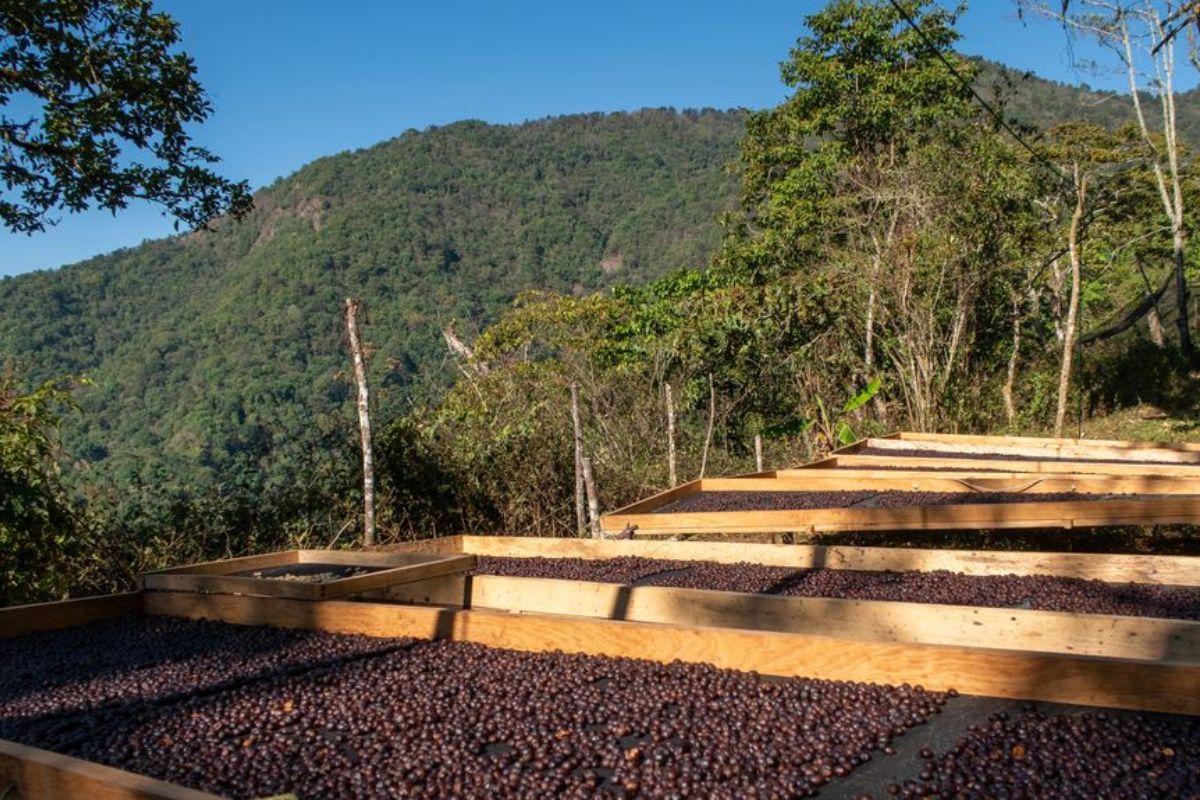
While we don't grow coffee trees here in Ireland, we're deeply connected to the places that do. Coffee plants depend on pollinators for healthy yields. This includes the self-pollinating Arabica trees which benefit from bee activity, which can improve yields and flavour.
small actions, bigger impact
For us, Maybee is a reminder that even small actions like rehoming hessian sacks can contribute to something much larger.
One of our goals at Bell Lane is to share with purpose, and this partnership with Paula is a great example of that. By finding creative, thoughtful ways to reduce waste and support local initiatives, we’re aiming to create a better future, one step at a time.